
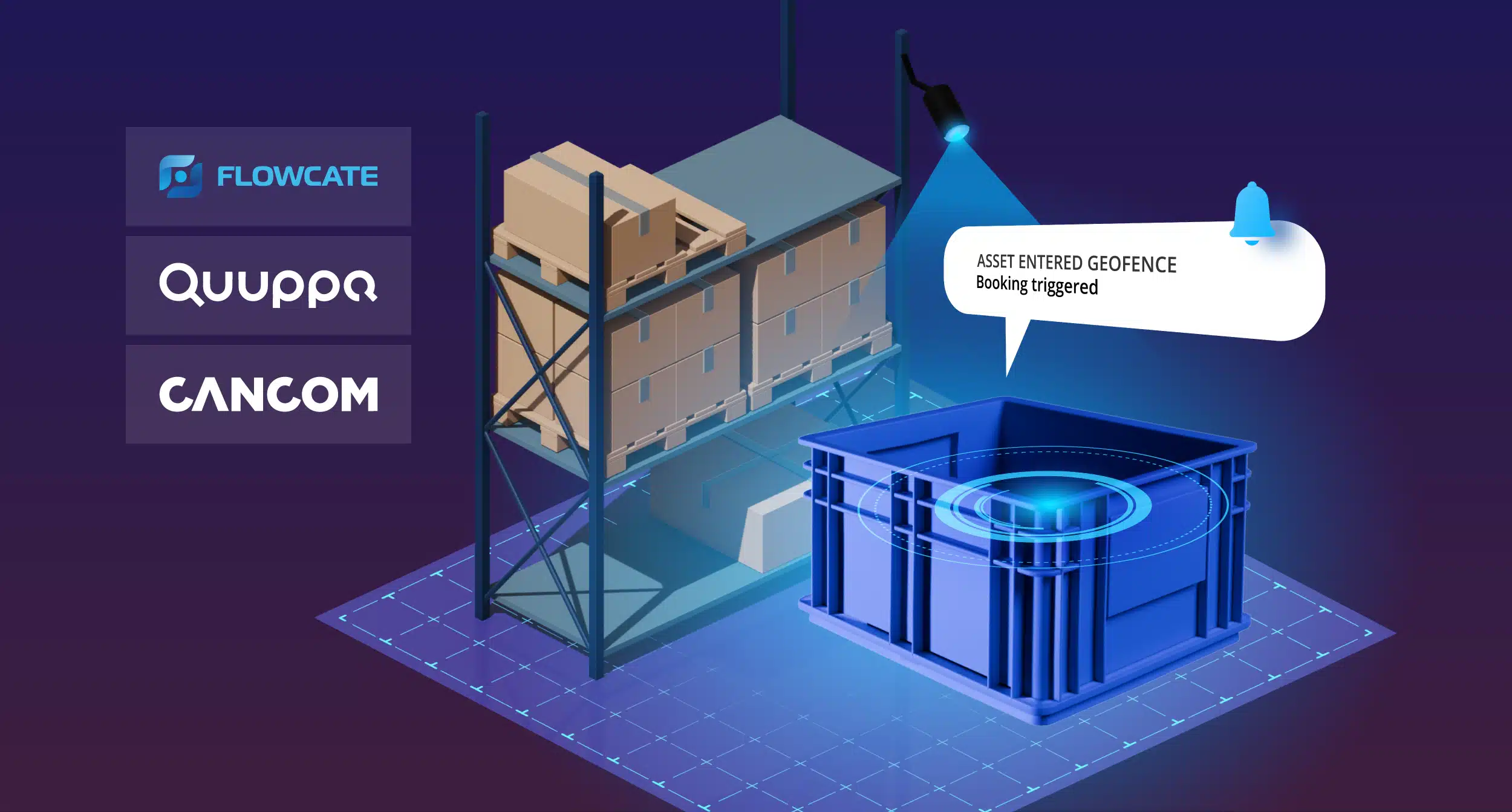
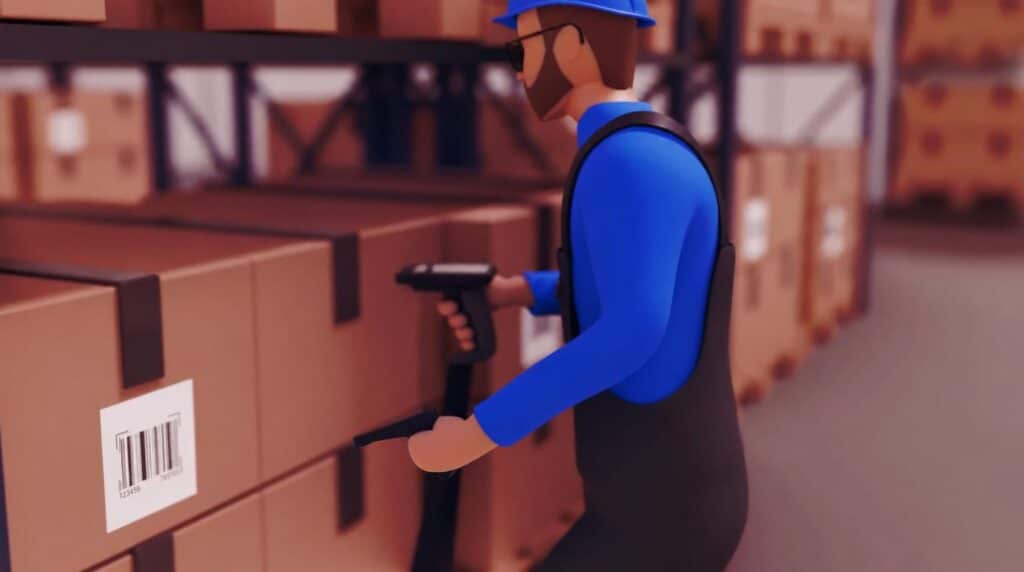
Logistics and production environments are highly automated when it comes to moving goods. Conveyors, forklifts, warehouse management systems, and ERP systems coordinate material flows across facilities. Yet many processes still depend on manual data capture: items are scanned when picked, containers confirmed when filled, and status changes and inventory updates depend on operator input.
Even in highly automated environments, people still often act as data entry interfaces between the physical world and enterprise systems. The physical flow may be automated, but the information flow often is not.
The Bottleneck of Manual Data Capture
When companies talk about automation, the focus is often on moving goods, with AGVs, robots, and conveyors receiving most of the attention. But in many operations, the real bottleneck is not movement, it is understanding what is happening.
Systems need to know which items are in which container, when a container is complete, where material is located, when a process step is finished, and which goods belong to which order. If these events cannot be reliably detected, humans have to scan, confirm, and update manually. Across a large operation, the cumulative cost of this manual layer adds up in time, in accuracy, and in the gap between what is happening physically and what the system reflects.
True automation therefore does not start with robots. It starts with automatic data capture and process understanding.
A Joint Solution for AI-Powered Warehouse Automation
Flowcate, CANCOM, and Quuppa have developed a joint solution that combines AI‑based object recognition, real‑time location data, and spatial process logic to automate logistics processes without manual data entry. The combination removes the need for manual triggers by creating a “hands‑free” information flow:
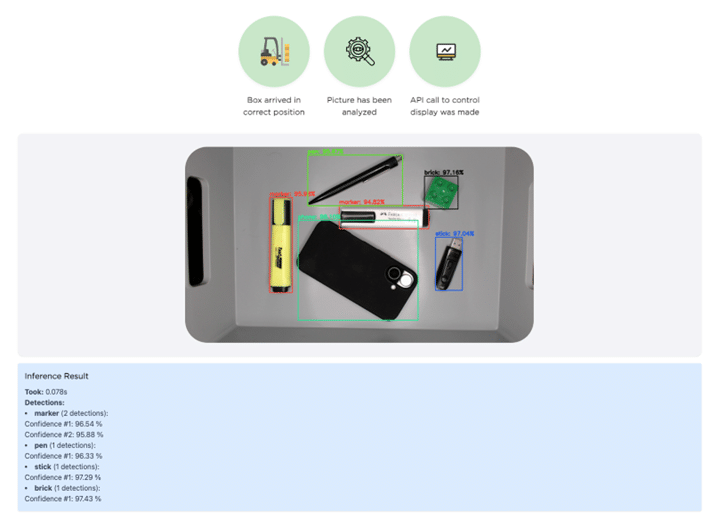
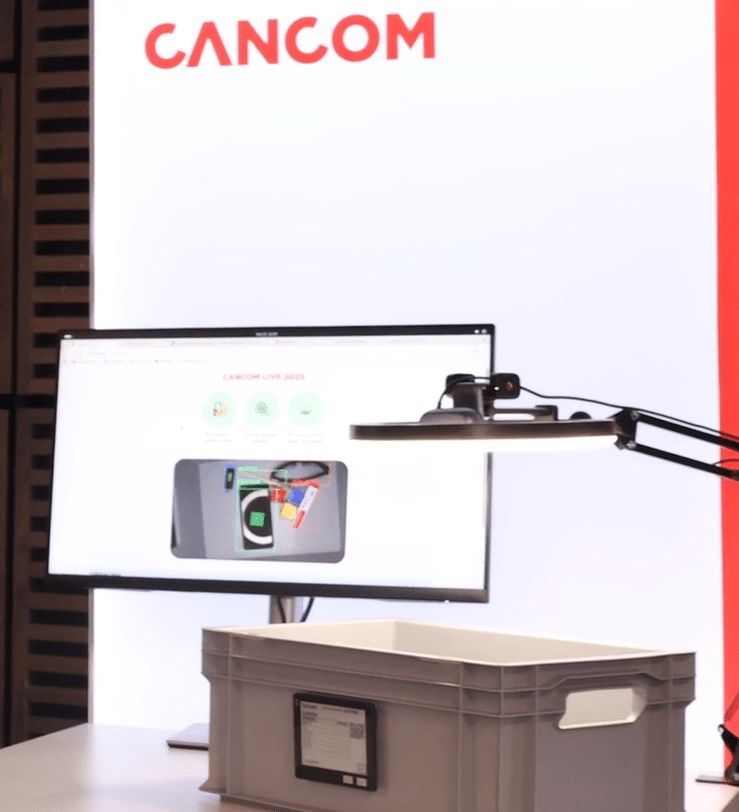
- AI Identification (CANCOM): High‑performance cameras automatically identify and classify items as they are placed into containers. This replaces individual barcode scanning, allowing for bulk identification without human intervention.
- Real-Time Location (Quuppa): Bluetooth Low Energy (BLE) RTLS provides continuous, sub‑meter visibility of the container’s position. The system doesn’t just know what the item is, but exactly where it is at every second.
- Spatial Orchestration (Flowcate): Flowcate’s spatial intelligence platform acts as the brain, combining identification and location data. By using geofences and spatial logic, DeepHub automatically triggers WMS updates or process steps when a container enters or leaves a specific zone.
In practice, these three layers work as a continuous flow. As items are identified they are automatically assigned to their container, and the system tracks both location and contents in real time. WMS and ERP platforms update automatically as containers move through defined zones, with no manual scanning required.
From Asset Tracking to Operational Intelligence
Many companies begin their journey toward AI-powered warehouse automation with asset tracking projects to see where forklifts, pallets, or containers are located, often as a first step. But the real value driver is the shift from manual scanning to automated understanding: instead of people feeding data into the system, the system itself captures and interprets what is happening.
When identification, location data, and spatial logic are combined, systems can understand operations in real time: which order is currently being assembled, which container is complete, where bottlenecks are forming, and when a process step is running or finished. Decisions can be made on current data rather than on what was true an hour ago when someone last scanned. Operations teams can see where throughput is dropping, which orders are at risk, and where capacity is sitting idle, in real time, instead of in an end‑of‑shift report.
This shifts the role of IT systems from documenting work after the fact to observing and supporting operations in real time.
Operations That Update Themselves
Removing manual scanning is not just about saving a few seconds per process step, it fundamentally changes how operations are managed. Operators no longer need to act as data entry points and can focus on material handling, exception handling, and process optimization instead.
When systems automatically understand material flow, many downstream processes can be automated as well, including inventory updates, process confirmations, order status updates, billing events, and analytics and performance tracking. This also changes how operations scale. Adding capacity in a manual environment means adding more people to scan and confirm. In an automated environment, the same infrastructure extends naturally across more zones, more containers, and more processes. Together, identification, location, and spatial orchestration create a digital representation of operations that updates itself continuously.
This is a key step toward AI-powered warehouse automation that is data-driven and scalable. Not because machines move faster, but because systems finally understand what is happening without needing humans to tell them.
Get in touch to learn more about this solution and how it could automate your processes.